Practical Strategies for Networking at Meetups
Networking at meetups can be a transformative experience for those looking to expand their social circles and professional connections. However, many individuals find this process daunting. This article provides practical strategies that can help make the most of your meetup experiences.
Understanding the Importance of Networking
Networking is more than just exchanging business cards; it is about creating meaningful relationships. According to industry experts, effective networking can lead to new opportunities, collaborations, and friendships. Research indicates that social connections can significantly enhance personal and professional growth, especially for individuals aged 40-60, who may be seeking to re-enter the workforce or expand their social engagements.
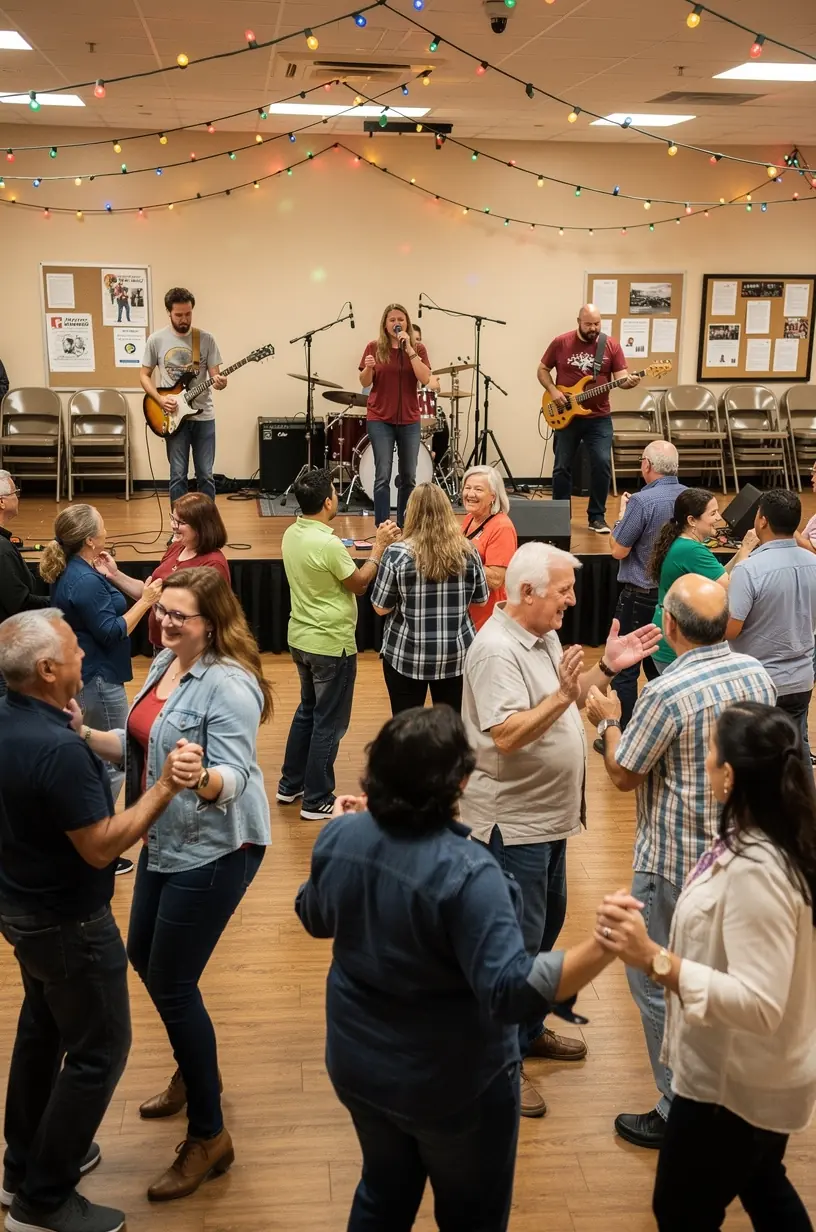
"Building a network is an investment in your future; the relationships you cultivate today can yield returns for years to come."
Preparation: Setting the Stage for Success
To maximize the benefits of networking, preparation is key. Here are some strategies to consider:
- Know Your Goals: Identify what you hope to achieve by attending the meetup. Whether it's finding a mentor, learning about local events, or meeting like-minded individuals, having clear goals can guide your interactions.
- Research Attendees: If possible, familiarize yourself with the attendees or speakers before the event. This can help you initiate conversations based on shared interests or backgrounds.
- Practice Your Introduction: Having a concise, engaging introduction ready can ease initial anxiety. Many users report that practicing your introduction can enhance confidence and make interactions smoother.
During the Meetup: Engaging Effectively
Once at the meetup, consider the following approaches to engage effectively:
- Be Approachable: Studies show that body language plays a crucial role in how others perceive you. Maintain open body language, smile, and make eye contact to appear more inviting.
- Ask Open-Ended Questions: Starting conversations with questions that require more than a yes/no answer can help foster deeper discussions. For example, inquire about what brought someone to the event or their favorite local activities.
- Listen Actively: Engaging in active listening not only shows respect but can also provide valuable insights. This works because people feel appreciated when they know their thoughts are valued.
Follow-Up: Nurturing Connections
After the meetup, following up is essential to nurturing the connections you’ve made. Here are some effective follow-up strategies:
- Send a Thank-You Note: A brief thank-you email can go a long way in reinforcing your connection. Mention something specific from your conversation to personalize it.
- Connect on Social Media: Many professionals recommend connecting on platforms like LinkedIn to maintain your newfound relationships. This can also provide ongoing opportunities for collaboration and communication.
- Propose Future Meetups: If you felt a strong connection with someone, suggest meeting again for coffee or attending another event together. In most cases, this can solidify the relationship further.
Conclusion
Networking at meetups can be a rewarding experience when approached with a strategy. While it typically requires time and effort, the relationships formed can lead to significant personal and professional growth. By preparing adequately, engaging thoughtfully during the event, and following up effectively, you can enhance your networking skills and expand your social and professional circles. Remember, every connection counts!